Optimal Timing for Foundation Repairs
Foundation repairs are most effective when performed under optimal weather conditions. The ideal time depends on climate, soil conditions, and the specific type of repair needed. Generally, dry and moderate temperatures provide the best environment for repair work, ensuring materials cure properly and reducing the risk of complications.
Spring offers moderate temperatures and manageable moisture levels, making it suitable for foundation work. However, heavy rains can sometimes delay projects.
Summer provides warm, dry weather conducive to many repair methods. Extreme heat can cause materials to cure too quickly, so timing within summer is important.
Fall can be ideal due to cooler temperatures and less rain, allowing repairs to settle before winter.
Winter is generally less favorable due to freezing temperatures and potential snow, which can hinder excavation and curing processes.
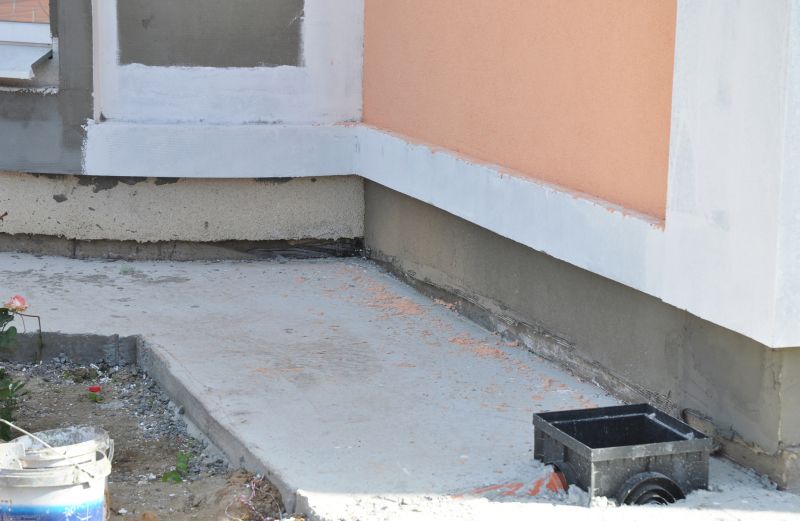
Ways to make Foundation Repairs work in tight or awkward layouts.
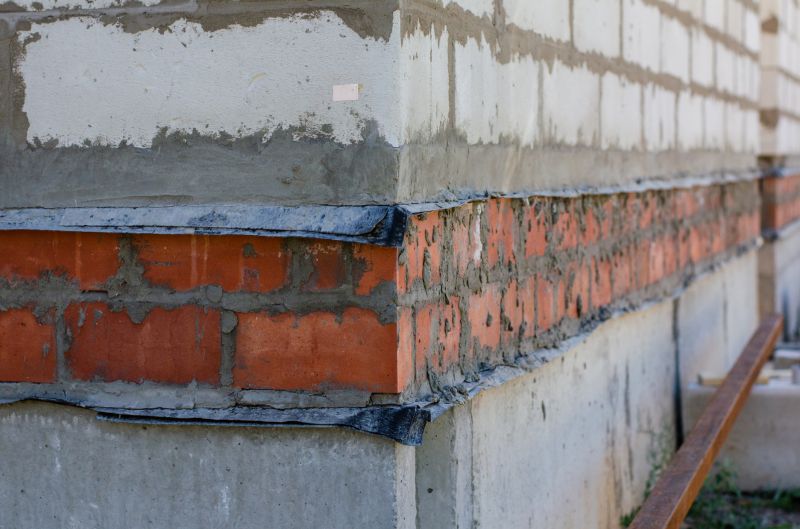
Popular materials for Foundation Repairs and why they hold up over time.
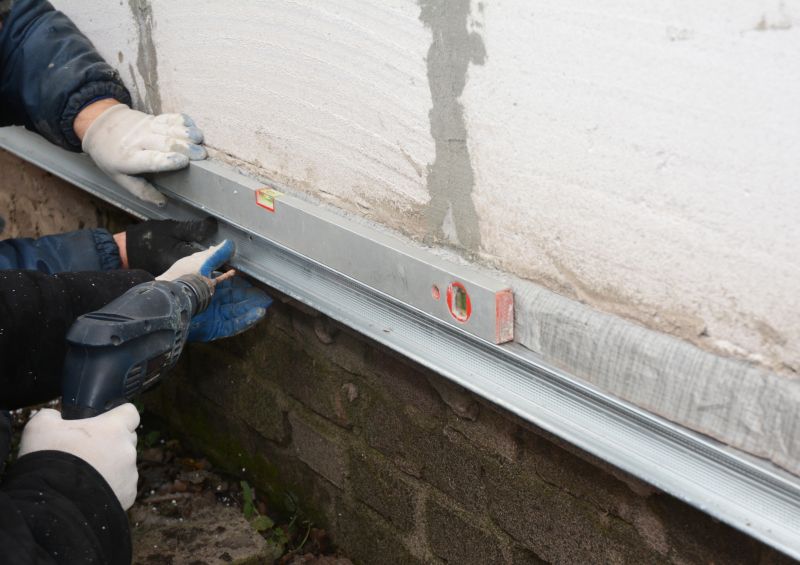
Simple add-ons that improve Foundation Repairs without blowing the budget.
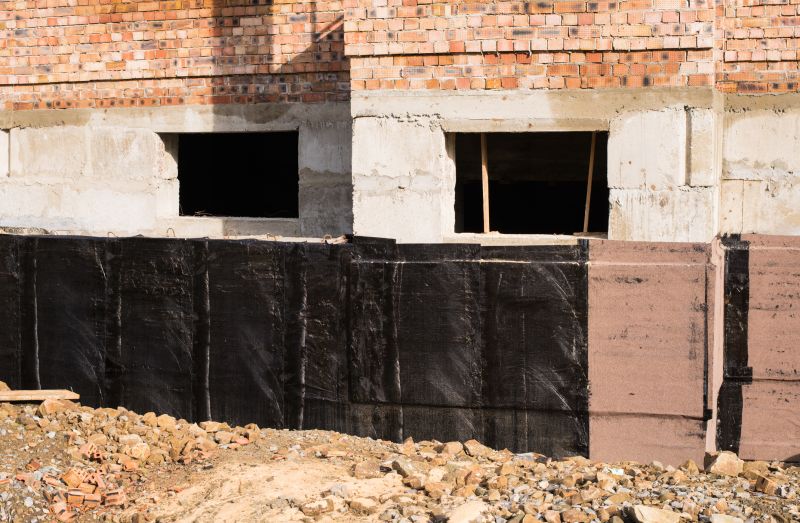
High-end options that actually feel worth it for Foundation Repairs.
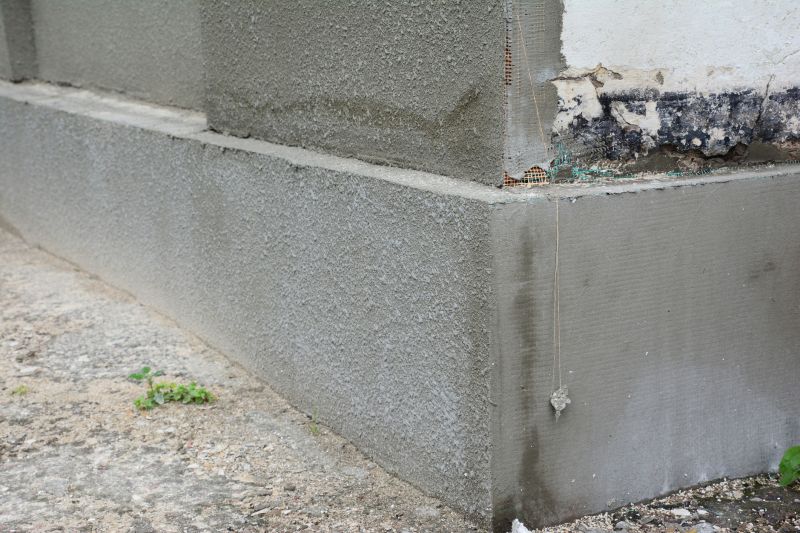
Finishes and colors that play nicely with Foundation Repairs.
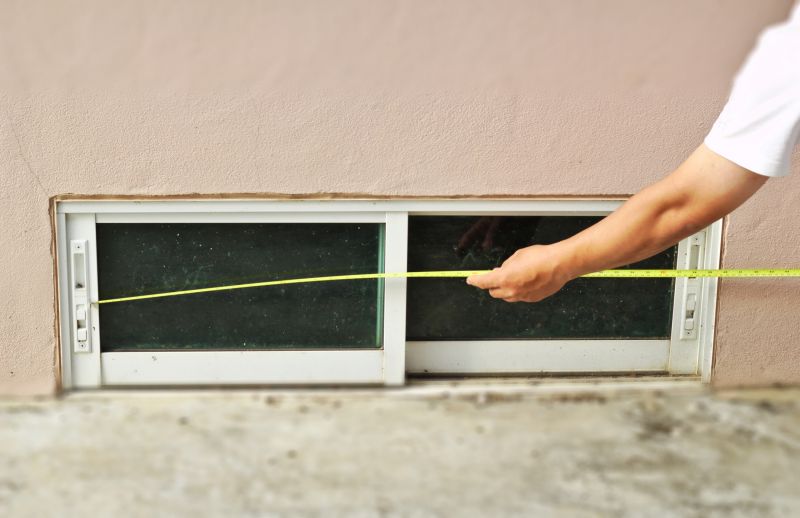
Little measurements that prevent headaches on Foundation Repairs day.
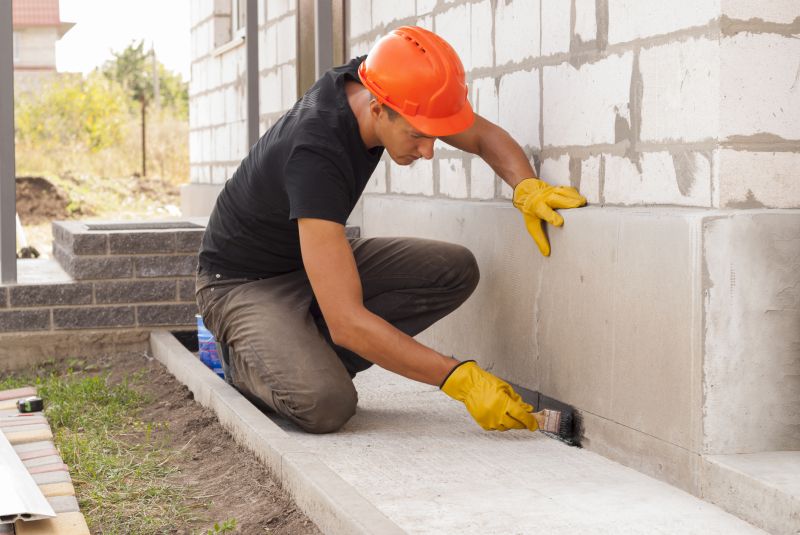
A 60-second routine that keeps Foundation Repairs looking new.
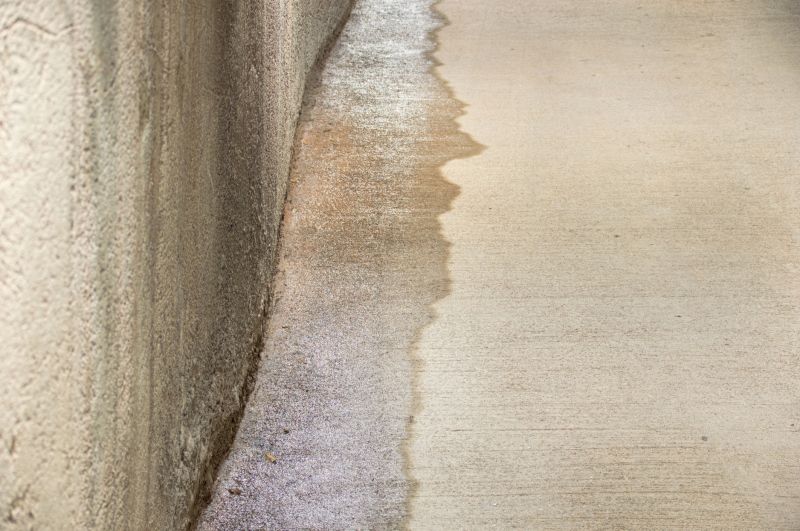
A frequent mistake in Foundation Repairs and how to dodge it.
| Season | Ideal Conditions |
|---|---|
| Spring | Moderate temperatures, manageable moisture levels |
| Summer | Warm, dry weather, but avoid extreme heat |
| Fall | Cooler temperatures, less rain |
| Winter | Freezing temperatures, snow, and ice |
Foundation repairs involve addressing issues such as settling, cracking, and shifting that can compromise the stability of a structure. Proper timing ensures materials and techniques are most effective, reducing the likelihood of future problems. Regular inspections can help identify issues early, allowing repairs to be scheduled during optimal weather conditions.
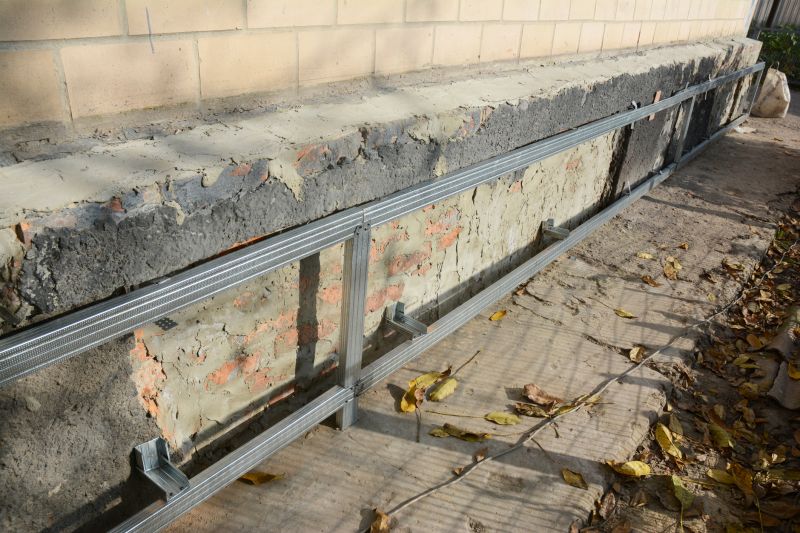
Small tweaks to make Foundation Repairs safer and easier to use.
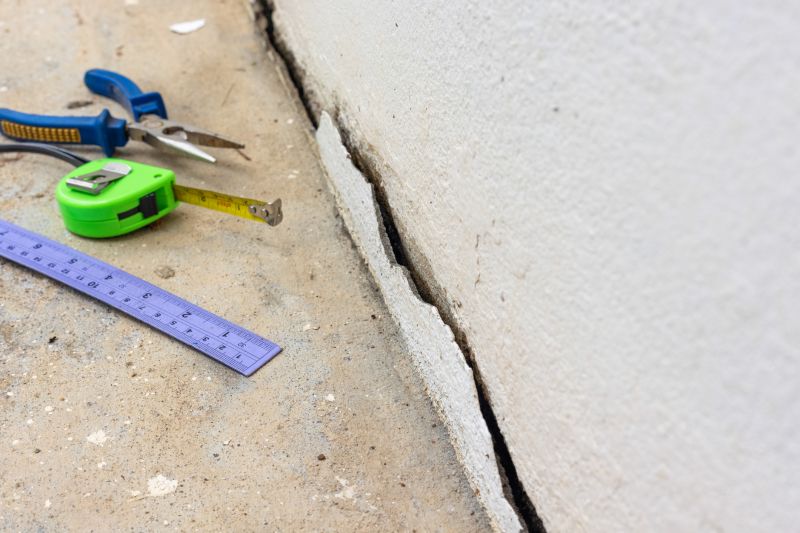
Lower-waste or water-saving choices for Foundation Repairs.
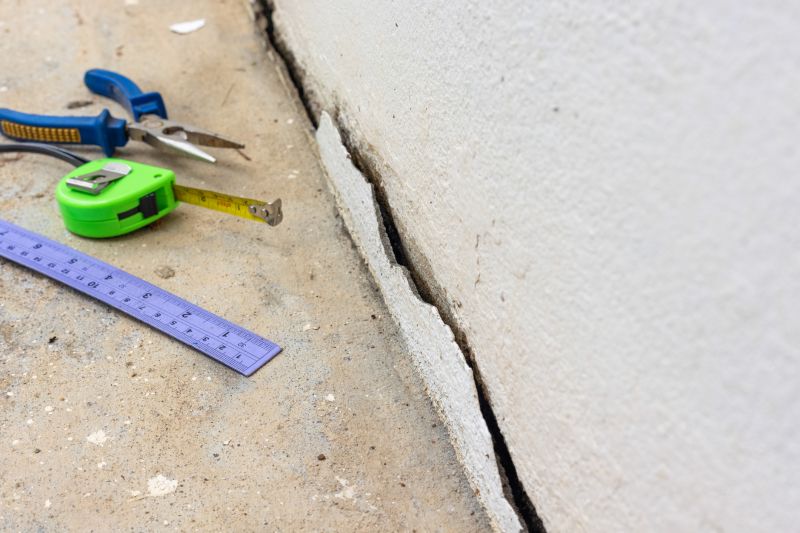
The short, realistic tool list for quality Foundation Repairs.
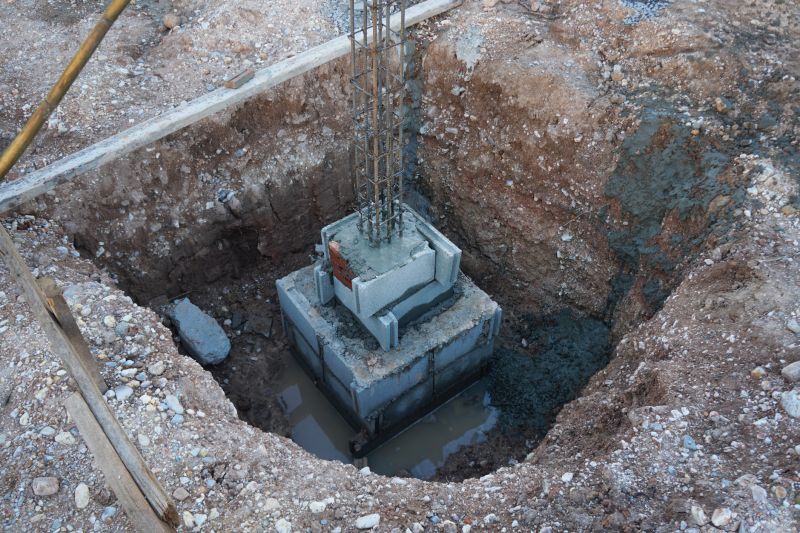
Rough timing from prep to clean-up for Foundation Repairs.
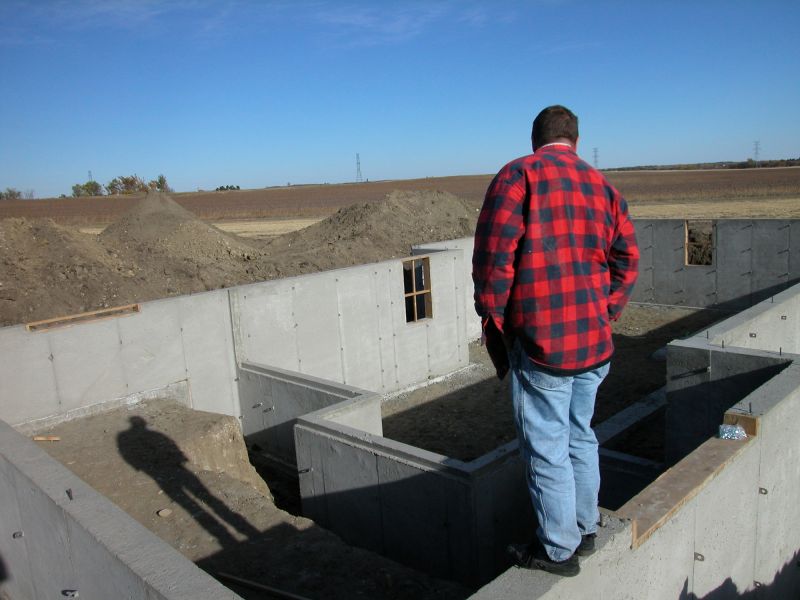
Quick checks and paperwork to keep after Foundation Repairs.
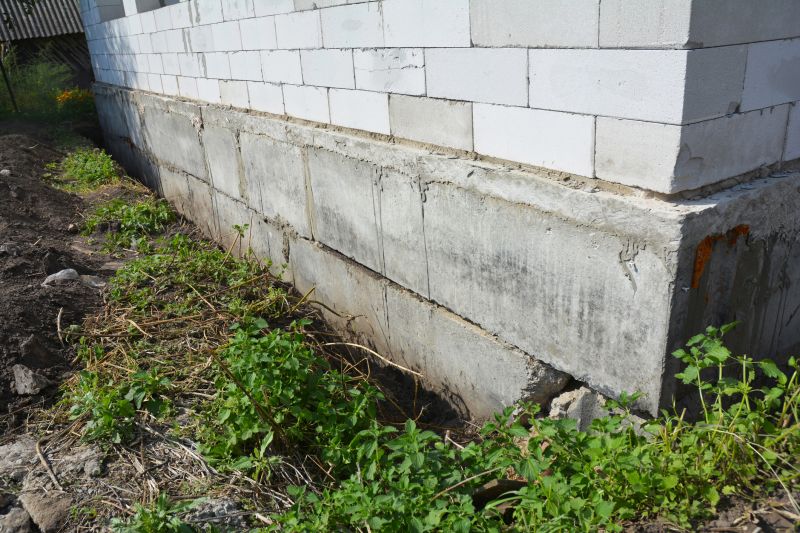
Examples that show the impact a good Foundation Repairs can make.
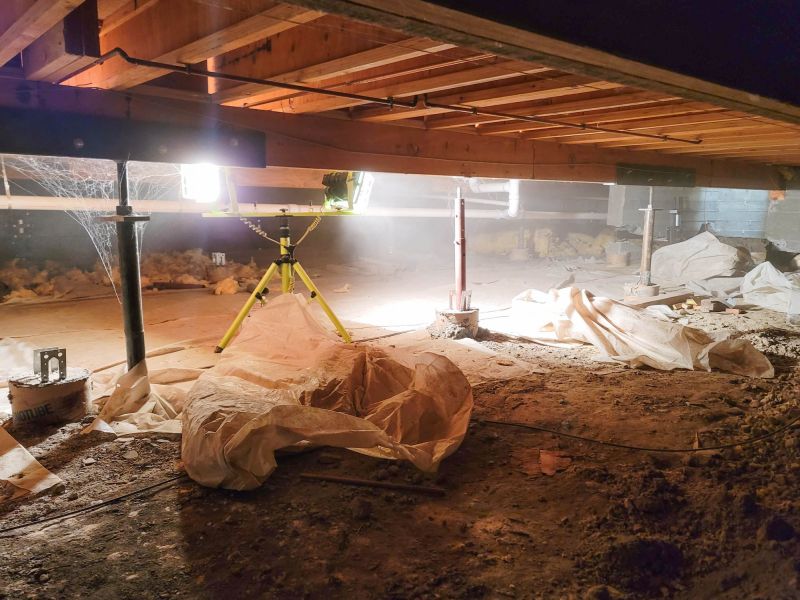
Ways to make Foundation Repairs work in tight or awkward layouts.
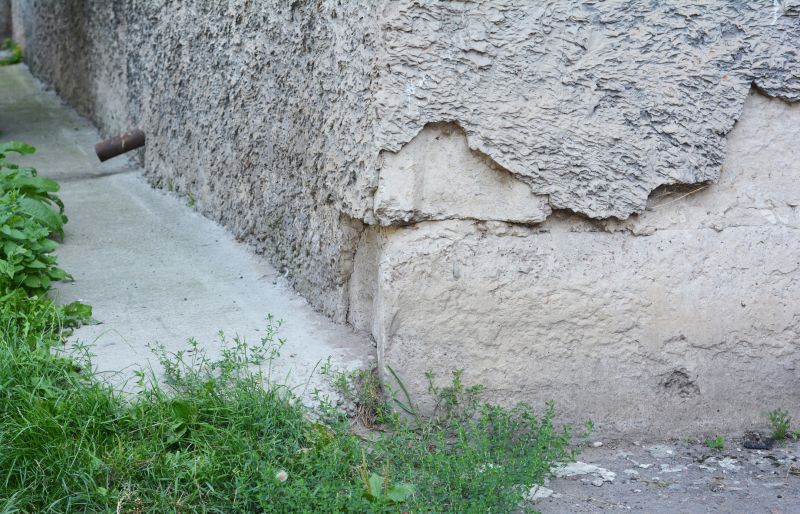
Ways to make Foundation Repairs work in tight or awkward layouts.
Timely foundation repairs can prevent further structural damage and costly future repairs. Scheduling during favorable weather conditions enhances the durability of repairs and ensures proper curing of materials. Regular assessment of foundation health is recommended to determine the best time for intervention.
Interested in foundation repair services? Fill out the contact form to get started with a professional assessment.